
NATURAL
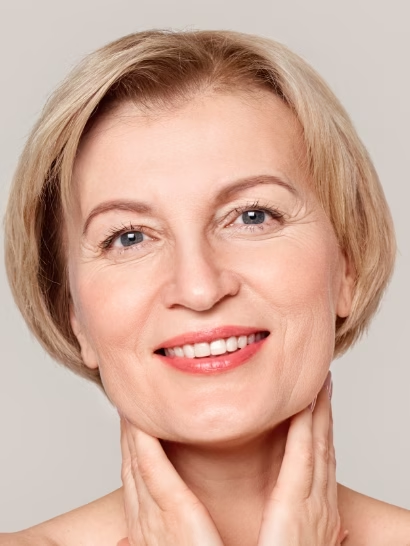
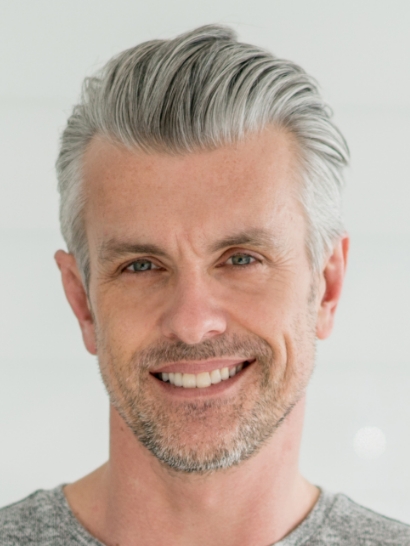
YOUNGER LOOKING RESULTS




WHY PATIENTS CHOOSE TOP PLASTIC SURGEON
Dr. Brian Maloney
AS SEEN ON





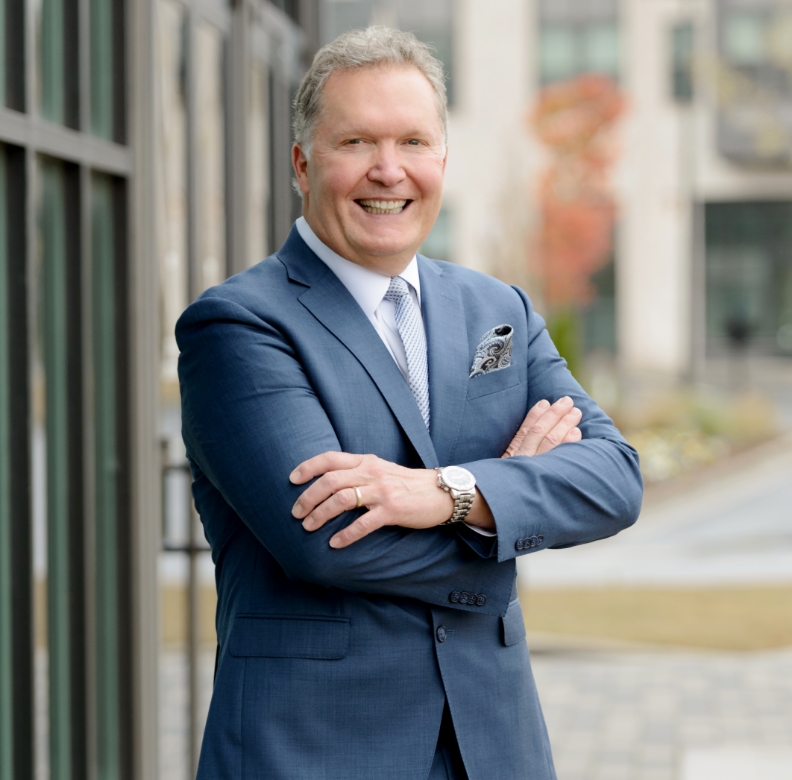
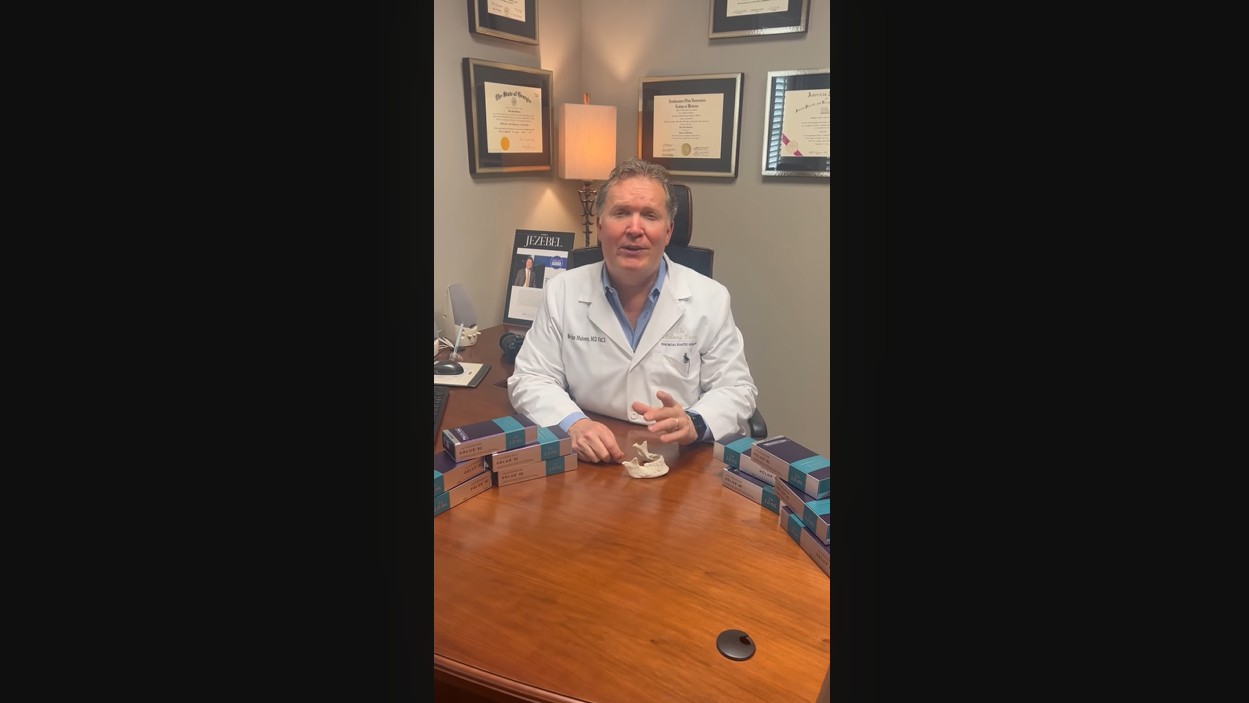
Dr. Brian Maloney is a double board-certified plastic surgeon based in Atlanta, Georgia, with a distinguished reputation in facial plastic surgery.
Recognized both locally and internationally, Dr. Maloney has built a successful practice by blending artistic skill with meticulous attention to detail. Thousands of patients from Georgia and around the world trust him to help refine and enhance their natural facial features, improving their overall self-image.
At the Maloney Center for Facial Plastic Surgery, Dr. Maloney is celebrated for his compassionate and caring approach, taking the time to understand each patient’s unique needs. His dedication to achieving natural, balanced results has made him a valued member of the cosmetic surgery community. To explore options for enhancing your facial features, you can schedule a consultation at the Maloney Center by calling 770.804.0007.




Artistry Creates Excellence
BEFORE & AFTER
Photo Gallery
“Dr. Maloney was the Right Choice.”
The Maloney Center performed my Rhinoplasty and Chin Implant a few years ago. I haven’t had a second thought since I had the procedure completed. It was the right decision for me!!! I chose Dr. Maloney and his staff because he was highly recommended by my sister and has an impeccable reputation. I currently live in Georgia, so I did my research on facial surgeons in the South East. ...
For twenty-eight years I searched for a doctor who was willing to do plastic surgery on my face. After years of searching and discouragement, I found Dr. Maloney. He told me he could do the surgery that I had wanted for so long. Finally, I had hope that I could someday look good again. The many years of acne had caused my face to scar very badly, and my face ...
Dr. Maloney and his staff have my utmost thanks for the transformation that they produced, both inside and outside of me. Dr. Maloney is such a consummate professional, but his qualifications go much further than that. He is sought after, worldwide, and valued for his advice. In addition to all of that, he reassures his patients with self-confidence and trust before they go into the surgery. His follow up is ...
I had already made my decision on getting plastic surgery and I knew Dr. Maloney would be the right choice. After some research and finding out he was double board certified my decision was clear and simple. My results are exactly what I wanted and more.
My cosmetic surgery procedure with Dr. Maloney was such a positive experience for me! Dr. Maloney’s expertise in facial plastic surgery was the reason I chose him as my surgeon. Dr. Maloney’s caring manner, efficient follow up, accessibility, and his fabulous staff confirmed my decision in choosing him. I would like to thank his staff for always taking the time to make me feel as if I was ...
We want to thank Dr. Maloney and every person on staff for making this exhilarating and anxious chapter in our lives truly one that we have already forgotten and will continue to relish for years to come. After all, surgery IS surgery. But, from the minute we walked in for our first consultation, everyone in the office has been focused on us and walked with us through the whole process ...